“My locs are just shy of five years. They flow, like water. They are
fluffy and black. They are dark. I forbid anyone to touch them. I use a black scarf to cover them. And how they coil, and how heavy they are, weighing me down with the expectations of my quarter. We are in the fourth year without rain. A sack of maize is gold. Water is divine. Here is a lesson we have learned: there is thirst and then there is thirst. (“Five Years Next Sunday”)
In an anonymous country where rain has been absent for five years, a young woman’s long lustruous hair makes people’s heads turn and attracts unimaginable jealousy.
A man writes about death as about a disease caught from his mother’s dead body.
A convict’s survival has consequences on the temperature of the entire planet.
This startling short story collection depicts apocalyptic scenarios ; from climate catastrophes like drought (in « Five Years Next Sunday » or « Waiting to Die ») to global wars (in « Shelter » or « Another Zombie Story »), the collection points at situations that resemble more and more like our contemporary world. The particular concern with climate change and absence of water becomes the main focus of these societies. Indeed, human destruction of the planet is no longer a dystopic scenario, but a true-to-life narrative.
What do these stories say about our present world ? How do they mirror the human relations ? Is the notion of heritage still valid ? And finally, when reality as we know it comes to an end, does the increasingly uncanny language act as a disrupting tool, or does it become the ultimate form of humanity ? As Innocent Ilo, the author of “Before We Die Unwritten”, affirms, “in journeying with language we learn and unlearn. We bend language, to make it malleable, and language does this to us as well.”
Disruption : New Short Fiction from Africa / Short Story Day Africa and Catalyst Press, South Africa (September 2021)

Ioana Danaila has a PhD in Nigerian postcolonial literature and a First degree in French for Non-Francophone people. She is also the author of a collection of short stories and translated books from French to Romanian. Trilingual in Romanian, French and English, she teaches English language and literature to highschool students in France.
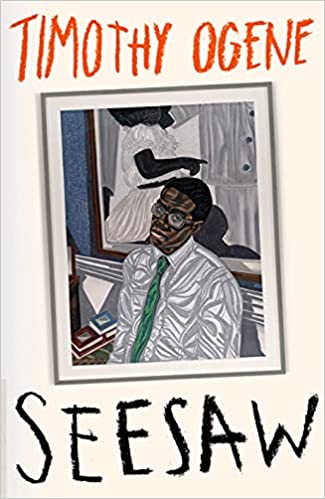 “The taxi took a bend on a bridge, turning right.
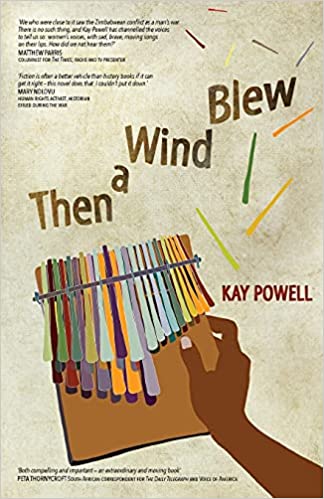 “Two thousand comrades. Until she was fourteen she had never heard the word ‘comrade’, but now it was everywhere in her life. She remembered clearly the day when she first heard it. A still, bright, sunny day. Her village was quiet and there was a heat haze over the field. (…) Her mother and Kundiso were at one end of the field, talking, hoeing. Nyanye was at the other end. She stretched and looked up into the sky, shading her eyes with her hand. Two big brown birds flew above her. Eagles. Circling, then going away, coming back, circling, going, coming.”
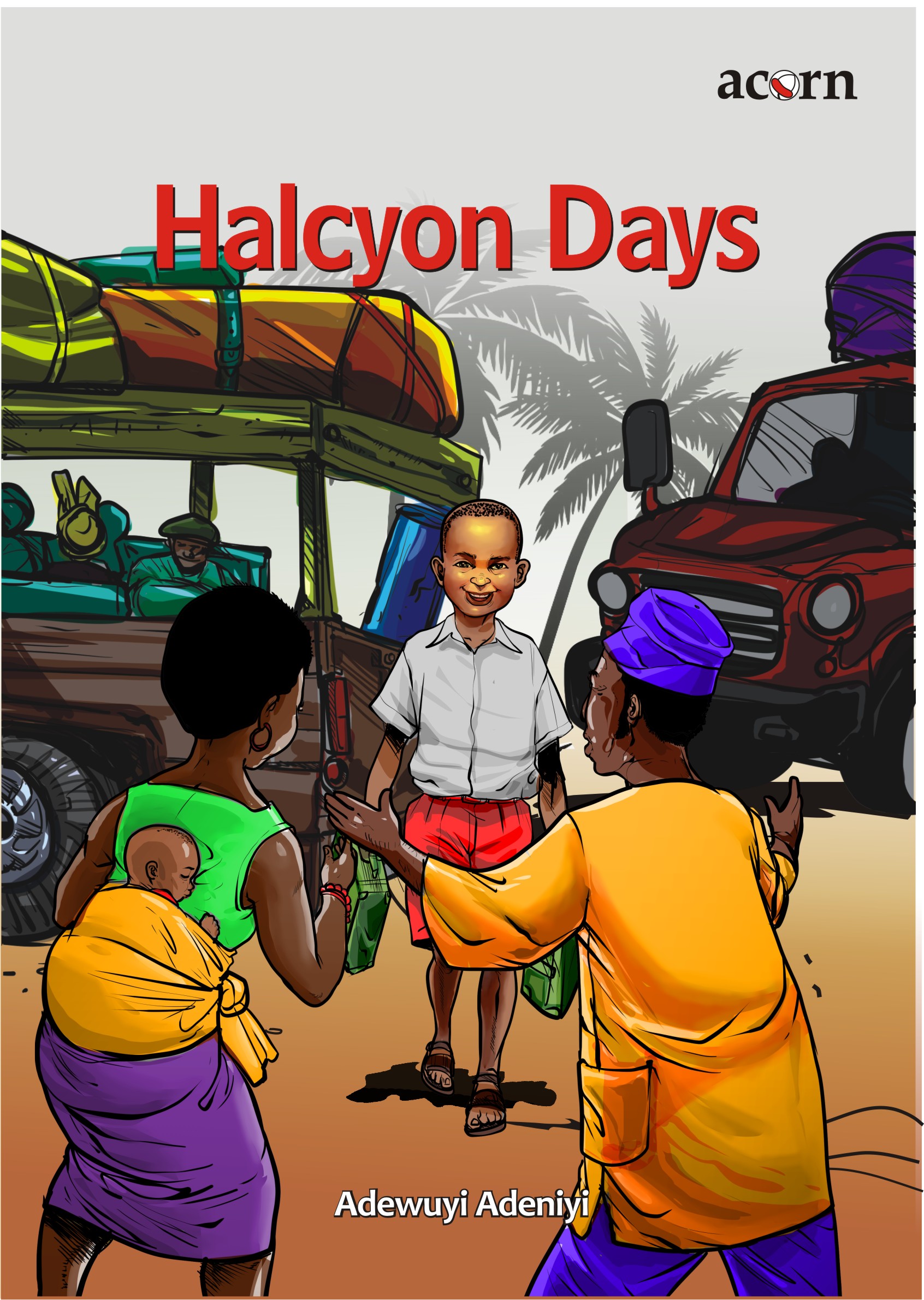 “In the evening, Ali was amazed to see lights coming on everywhere at the click of small buttons on the walls! The illumination itself was different from that of the oil lamps used in the village. He marvelled for a long time while his uncle simply smiled. He figured out every house in the environment had such lights. With all the lights turned on, he wondered what the world would look like outside their dwelling. He rushed out to catch a glimpse.”
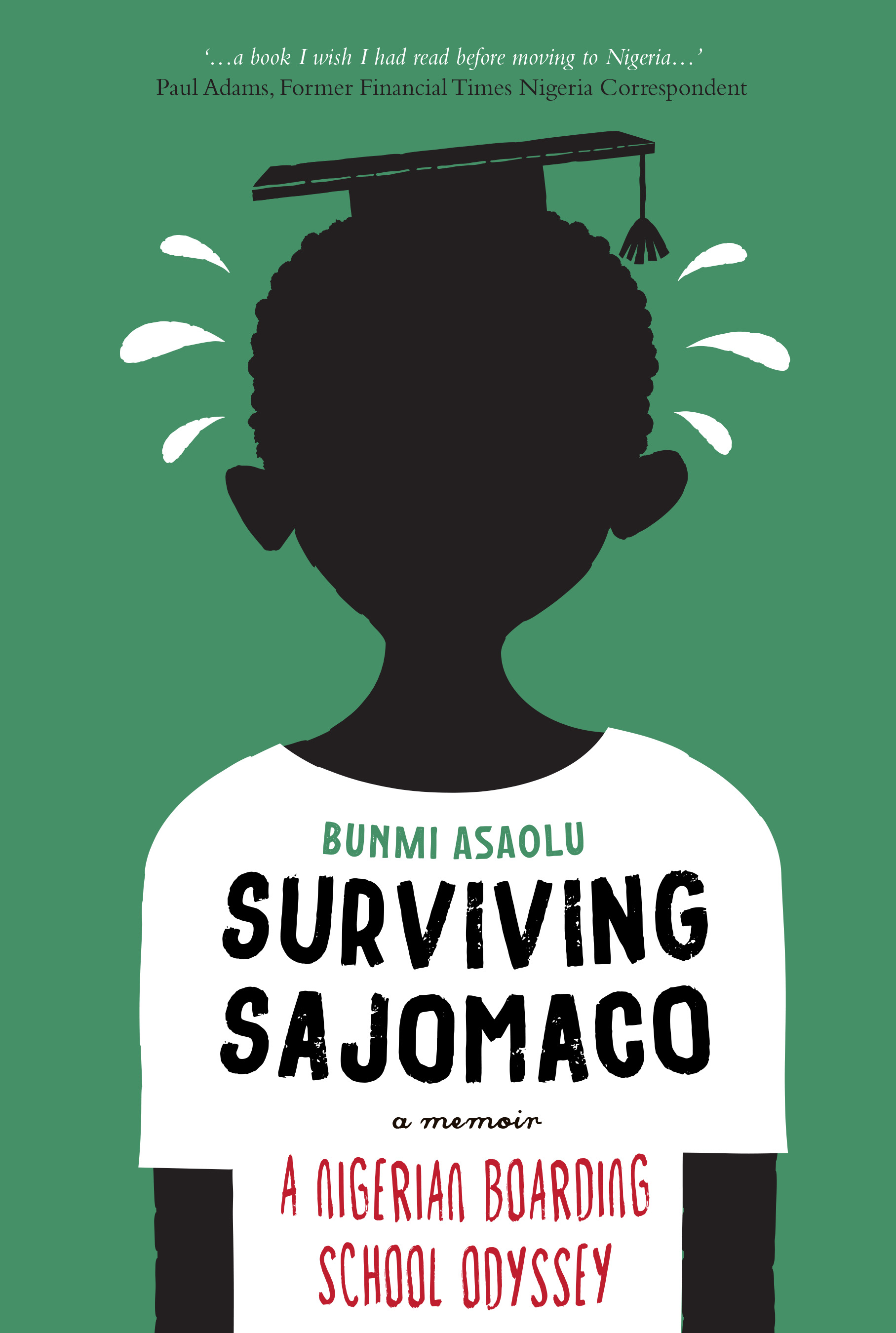 “My recollection of events at SAJOMACO is not perfect. It is also predominantly from a boy’s perspective in a mixed school. From the limited conversations I have had with a few of our female classmates, their experiences appeared to be worse. I accept that not everyone will agree with the accounts as I have laid them out or with my perspectives, but I have tried to give a faithful account of the events as much as possible. I excluded some stories because I chose to focus on one theme : survival against the odds.”
 The African Book Review